Who to Call for a Leaking Window?
Learn how to contain the water, identify common causes, and choose the right professional for a leaking window.
A leaking window may start as just a few drops of water, but ignoring the problem can lead to stained drywall, damaged flooring, weakened wooden frames, mold growth, and lower indoor comfort. The right professional depends on where the water is coming from and how much damage it has caused.
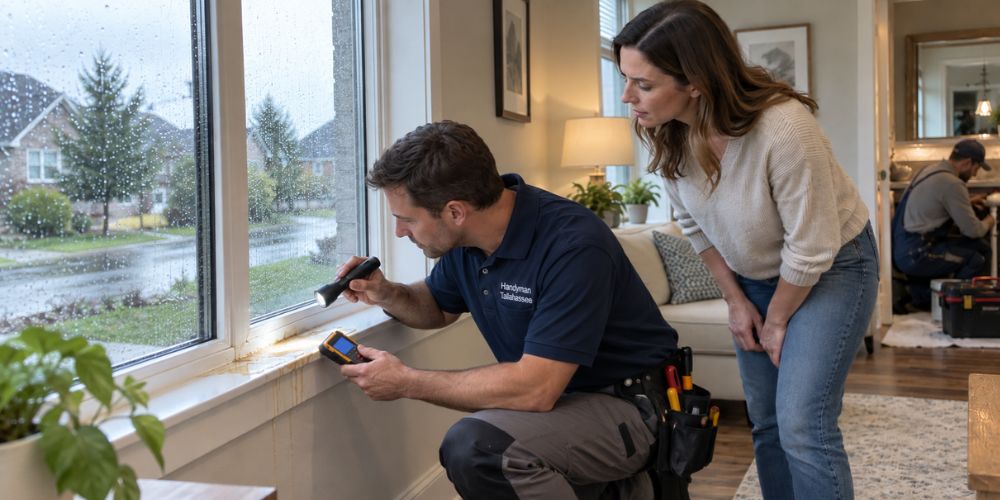
Spotting a leak is often easier than identifying its source. Water may enter around the window and travel behind trim, siding, or an interior wall before it becomes visible.
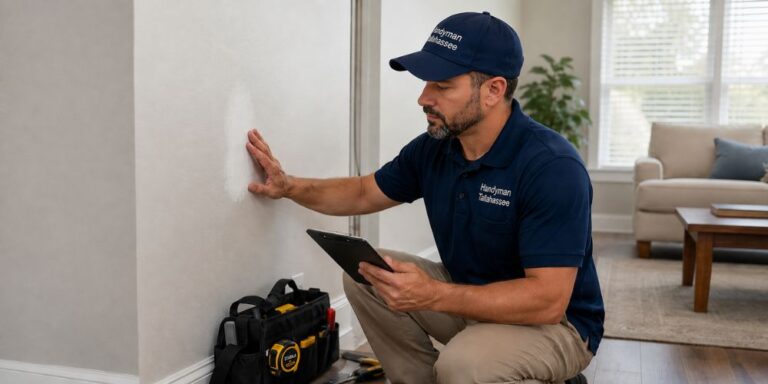
If you are unsure what is causing the leak, a qualified handyman in Tallahassee can inspect accessible areas and help determine whether the repair belongs with a handyman, window specialist, roofer, plumber, or restoration professional.
What Causes a Window to Leak?
A window can leak for several reasons. Some problems are visible from inside the room, while others are hidden behind the trim, siding, or exterior wall. Understanding the possible causes helps you describe the issue clearly when arranging an inspection.
Damaged or Cracked Caulking
Exterior caulking creates a protective seal between the window frame and the surrounding wall. Over time, sunlight, temperature changes, moisture, and general aging can cause caulk to crack, shrink, peel away, or become brittle.
When the seal is damaged, rainwater can enter around the frame and travel behind the trim or wall before appearing indoors. Replacing the caulk may fix a minor leak, but the surface must be clean and dry first. If rot or hidden water damage is present, new caulk alone will not solve the underlying problem.
Worn Weatherstripping and Window Seals
Windows that open and close regularly rely on weatherstripping and internal seals to block water and air. These materials can become loose, worn, or damaged as the window ages.
Look for drafts, vibration, cold spots, or moisture around the frame. If condensation or fogging appears between the panes of a double-glazed window, the insulated glass seal may have failed. Replacing the glass unit is usually more effective than applying exterior caulk in that situation.
Clogged Weep Holes
Window drainage openings, often called weep holes, allow water to leave the track. Dirt, leaves, insects, paint, and other debris can block these openings. When water cannot drain properly, it may collect in the track and overflow onto the interior sill.
A professional can often clear an accessible drainage path and restore normal operation. Care is important because sharp tools can damage the frame or the drainage system.
Damaged Flashing
Flashing directs water away from vulnerable areas around a window. It is commonly installed above and around the frame to reduce the chance of water entering the wall assembly.
If flashing is missing, damaged, incorrectly installed, or separated from surrounding materials, water can enter above the window and seep behind siding or trim. The water may then appear inside several inches away from its actual entry point, which makes this type of leak difficult to diagnose.
Roof and Gutter Problems
A window is not always the source of the water. Rain may enter through damaged roofing, a clogged gutter, an overflowing downspout, or a faulty roof-to-wall connection. Water can travel down the exterior wall before appearing around the window.
If the leak occurs only during heavy rain or seems to come from above the window, the roof and exterior drainage system should also be inspected. Repairing the window without correcting a roof or gutter problem will not provide a lasting solution.
Damaged Siding or Exterior Trim
Cracked siding, loose trim, damaged brickwork, and gaps around exterior materials can give water a path into the wall. Water may travel behind the siding before reaching the window opening, making the problem appear to be a window leak even when the window itself is in good condition.
Poor Window Installation
A window may leak if it was installed incorrectly. Common installation problems include missing flashing, insufficient sealant, gaps around the frame, inadequate drainage, and poor alignment.
If the leak began soon after a new window was installed, contact the original installer before hiring another company. The repair may be covered by a workmanship or installation warranty.
Condensation Instead of a Leak
Not every moisture problem around a window is caused by rain. Condensation forms when warm indoor air meets a cold glass surface. It usually appears on the room-facing side of the glass and may be more noticeable during cold weather or when indoor humidity is high.
A rain-related leak is more likely to appear around the frame, sill, trim, wall, or window track. If you are unsure whether the moisture is condensation or a leak, a professional inspection can help identify the difference.
What to Do When You Have a Leaking Window
Once you notice water around a window, take immediate steps to reduce the chance of additional damage. Do not wait for the leak to become severe before protecting the room.
1. Contain the Water
Place towels, buckets, or containers under the leak to catch dripping water. If water is spreading across the floor, use towels to protect the flooring and remove nearby rugs.
Do not allow water to remain on wood, laminate, or other moisture-sensitive flooring for an extended period.
2. Move Furniture and Valuables
Move furniture, electronics, curtains, rugs, and other belongings away from the affected area. Water can spread farther than expected, especially when it enters a wall or runs beneath flooring. Clearing the area also makes it easier to inspect and repair the window.
3. Dry the Area
Use clean towels to remove surface moisture. Fans and dehumidifiers can improve airflow and help dry damp materials.
Never use electrical equipment near standing water, wet outlets, or exposed wiring. If water has reached an electrical outlet, switch off power to the affected area only if it is safe. Otherwise, contact a qualified professional.
4. Take Photos and Videos
Take clear photos of the window, water stains, damaged trim, wet drywall, flooring, and visible exterior damage. This documentation can help a contractor understand the problem before arriving and may support a warranty claim or insurance inquiry.
5. Inspect the Window After the Weather Clears
When it is safe, inspect the visible caulking, window track, sill, trim, siding, gutters, and area above the window. Avoid climbing onto the roof or removing siding unless you have the necessary experience and safety equipment. A professional can inspect difficult-to-reach areas safely.
6. Avoid Covering the Problem
Applying new caulk over wet, dirty, or damaged materials may only hide the leak temporarily. If water is entering through damaged flashing, siding, or a deteriorated frame, the leak will likely return. Identify the source before completing a permanent repair.
Who Should You Call for a Leaking Window?
The right professional depends on the location and severity of the problem. A small maintenance issue may need a handyman, while a roof, structural, plumbing, or extensive moisture problem may require a specialist.
Call a Handyman for Minor Window Repairs
A qualified handyman may be suitable for smaller repairs when the window is structurally sound. Common tasks include:
- Replacing damaged caulking
- Installing weatherstripping
- Cleaning accessible window tracks
- Clearing minor drainage blockages
- Repairing window trim
- Replacing screens
- Patching small areas of drywall
- Completing basic window maintenance
A handyman is a practical choice when the issue is limited to accessible repairs and routine maintenance. Major structural damage, extensive water intrusion, roof problems, and complete window replacement usually require another professional.
Call a Window Specialist for Window-Related Problems
A window specialist is usually the best choice when the window itself is damaged. You may need one for:
- Broken or cracked glass
- Damaged window frames
- Failed insulated glass
- Foggy glass between panes
- Worn window hardware
- Repeated leaks around the same window
- Faulty installation
- Window replacement
- Custom-sized glass or window units
A specialist can determine whether the window can be repaired or whether replacement offers a better long-term solution.
Call a General Contractor for Extensive or Unclear Damage
A general contractor may be necessary when the source is difficult to identify or several areas of the home have been affected. Consider one when:
- The wall or siding is damaged
- Several windows are leaking
- There is visible wood rot
- Water entered the wall cavity
- Drywall and flooring are damaged
- Structural repairs may be required
- Several different trades are needed
A general contractor can coordinate window, siding, trim, drywall, roofing, and structural repairs.
Call a Roofer When Water Is Coming From Above
Contact a roofer when water appears to come from above the window or enters only during heavy rain. Possible causes include:
- Damaged shingles
- Missing roof flashing
- Clogged gutters
- Overflowing downspouts
- Poor roof drainage
- Damaged roof-to-wall connections
- Water entering behind exterior materials
Repairing the window without correcting the roof problem will not provide a lasting solution.
Call a Plumber When the Leak Is Not Related to Rain
If water appears around the window during dry weather, the problem may be related to plumbing. This is more likely when the window is near a bathroom, kitchen, laundry room, water heater, or plumbing wall.
A plumber can check for leaking pipes, supply lines, drainage systems, and other plumbing problems hidden inside the wall.
Call a Water Damage Professional for Serious Moisture
A water mitigation or restoration company may be necessary when a leak has caused extensive moisture damage. Warning signs include:
- Standing water
- Saturated drywall
- Wet or buckled flooring
- A musty odor
- Visible mold
- Widespread discoloration
- Water present for several days
- Moisture inside walls or ceilings
A water damage professional can remove excess moisture, identify hidden damp areas, and help prevent further deterioration. The original cause of the leak must still be repaired after the area has been dried.
When Should You Call a Professional?
Arrange a professional inspection as soon as possible if:
- The leak continues after a temporary repair
- Water is entering quickly
- The wall or ceiling is stained, swollen, or soft
- You notice mold or wood rot
- The window frame feels weak or damaged
- The glass is cracked or broken
- Water is near an electrical outlet
- Several windows are leaking
- The leak returns after every storm
- You are unsure where the water is coming from
A small leak is usually easier and less expensive to repair than damage that has spread into the wall, flooring, or framing.
Should You Repair or Replace a Leaking Window?
A leaking window may be repairable when the glass and frame are in good condition and the problem is limited to caulking, weatherstripping, drainage, or minor trim damage.
Replacement may be the better option when:
- The frame is rotten, warped, or badly damaged
- The glass is cracked or permanently fogged
- The window has repeated leaks
- The installation is defective
- The window is difficult to operate
- The unit is old and inefficient
- Repair costs are close to replacement costs
- Hidden damage has affected the surrounding structure
A professional inspection can help you compare repair cost, expected lifespan, and performance before choosing repair or replacement.
How to Choose the Right Professional
Before hiring someone to repair your leaking window, ask a few important questions:
- Do you have experience diagnosing window leaks?
- Are you licensed and insured where required?
- Will you inspect the surrounding wall, siding, trim, and flashing?
- Will you provide a written estimate?
- Do you offer a workmanship warranty?
- Can you explain whether repair or replacement is recommended?
- Who will handle hidden water damage if it is discovered?
- Will the repair address the source rather than only the visible damage?
Avoid hiring someone who recommends applying new caulk without first determining where the water is entering.
How to Prevent Future Window Leaks
Regular maintenance can reduce the risk of future problems. Inspect exterior caulking periodically and replace it when it becomes cracked or separates from the frame. Keep window tracks clean and make sure drainage openings are not blocked.
Check nearby gutters and downspouts so water is directed away from the wall. Look for damaged siding, loose trim, roof problems, and stains around the window.
Address small signs of moisture early. A small stain, draft, or minor drip is usually easier to repair than extensive damage discovered months later.
How Tallahassee Weather Can Cause Window Leaks
Tallahassee’s warm, humid climate and frequent thunderstorms can place extra stress on exterior caulking, flashing, siding, gutters, and window drainage systems. Heavy downpours may push water through small gaps around the frame, while strong winds can drive rain behind loose trim or damaged siding.
High humidity can also contribute to condensation on cool glass and damp materials around the window. Over time, heat, sunlight, moisture, and changing temperatures may cause caulking to crack or separate from the frame.
After a severe storm, inspect the window area for water stains, loose trim, clogged gutters, damaged siding, and moisture around the sill. If the leak returns during every heavy rain, the source may be above or beside the window rather than in the glass itself.
When to Call Handyman Services in Tallahassee
A local handyman in Tallahassee may be suitable for minor window repairs when the frame is structurally sound and the problem is limited to maintenance or small repairs. Handyman services in Tallahassee may include:
- Replacing cracked exterior caulking
- Installing new weatherstripping
- Cleaning accessible window tracks
- Clearing minor drainage blockages
- Repairing damaged window trim
- Replacing window screens
- Patching small areas of drywall
- Repairing minor siding or exterior trim damage
If you are searching for a handyman Tallahassee homeowners can rely on, choose a professional with experience identifying the source of water intrusion. Major roof damage, structural problems, extensive mold, or complete window replacement may require a specialist.
People searching for a handyman near Tallahassee should confirm that the professional is insured, provides written estimates, and explains whether the repair will address the source of the leak or only the visible damage.
For help with minor window repairs and related home maintenance, contact our team to discuss your Tallahassee home repair needs.
Final Thoughts
A leaking window should never be ignored. Water may be entering through damaged caulking, worn seals, blocked drainage openings, faulty flashing, siding, roofing, plumbing, or an improperly installed window.
For minor problems, a handyman may be able to handle caulking, weatherstripping, trim, and basic maintenance. More serious issues may require a window specialist, roofer, plumber, general contractor, or water damage professional.
If you are unsure who to call, start with a qualified local professional who can inspect the window and surrounding areas. Finding and repairing the source early can help protect your home from mold, rot, damaged drywall, and costly structural repairs.
If you are looking for dependable handyman services in Tallahassee, contact Handyman Tallahassee to learn more about home repair services and schedule an inspection.
Professional Window Repair Help in Tallahassee
Support with caulking, weatherstripping, trim, minor drywall repairs, and related home maintenance.